Foundational Instruction for New SCUBA Scientists (FINSS)
Recreational scuba diving is a privileged sport. Training costs money, the gear is expensive, getting to dive sites adds up.
Many researchers cannot participate in the scientific diving training that they need due to the fact that they simply cannot afford to get their Open Water Scuba Certification. This scholarship addresses that need
Who is this for?
How much?
To Apply: Submit your application at via the AAUS Application Portal. Please note that you MUST be an AAUS member to apply and you will need to login with your AAUS membership credentials to access the application. If this poses a hardship, please contact [email protected] You may revisit your application at any time until you choose to finalize and submit your application. Applications close June 30
Follow-up: After the experience, the scholar will submit a short bio and summary of their experience for publication in the eSlate, as well as multimedia (photos, videos, etc.) for posting.
Current Scholars
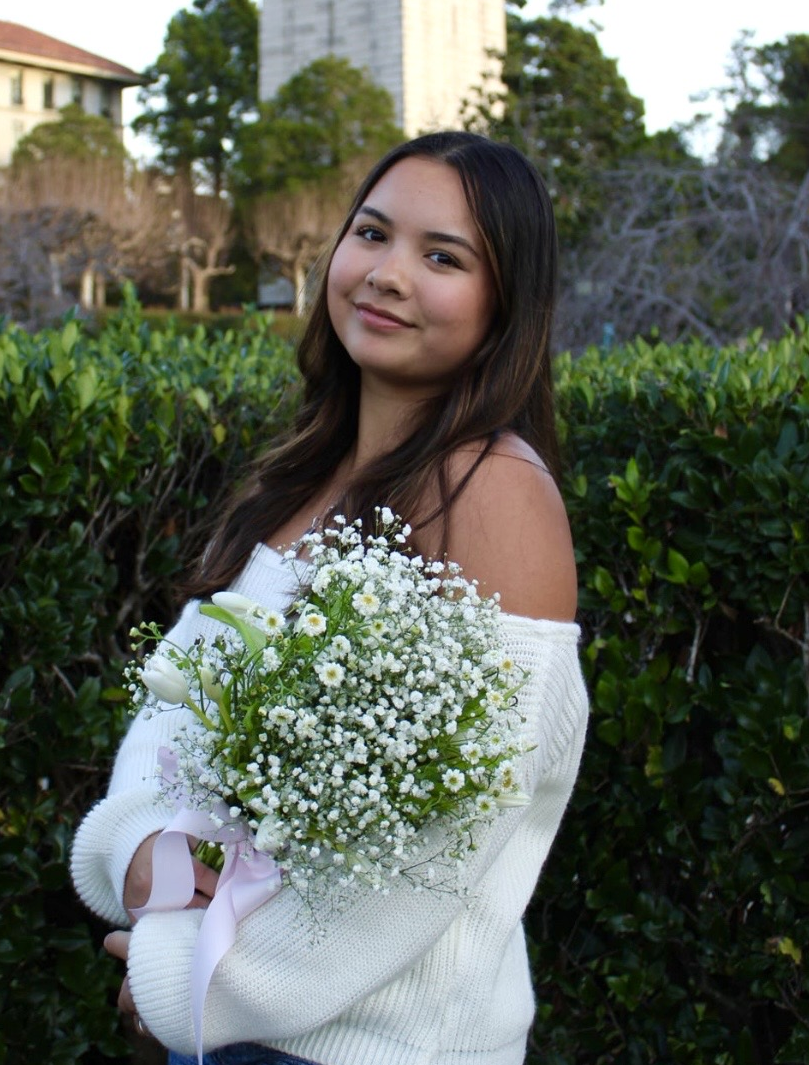
Ellissa Franklin
University of California, Berkeley
I am incredibly honored to have been awarded the AAUS FINNS Scholarship! As a third-year Microbial Biology major at the University of California, Berkeley, originally from Troy, Michigan, this opportunity represents an exciting next step in my journey as a scientist. Growing up as a competitive swimmer sparked my curiosity about the unseen microbial worlds that shape our environment, a passion that now drives my interest in marine microbial systems and their role in ocean health and climate resilience.
Currently, I work in Dr. Daniel Okamoto’s lab at UC Berkeley, where I study how environmental stressors impact invertebrate immune responses and contribute to conservation-focused research on kelp forests, sea urchins, and other key marine species. My growing interest in scientific diving comes from a desire to directly engage with the ecosystems I study by collecting underwater data and biological samples that can guide restoration and management efforts.
As a Filipino American, the ocean also holds deep cultural significance for me, and my passion for marine conservation stems from both my scientific curiosity and personal connection to these environments. This scholarship gives me the opportunity to pursue fieldwork that is not only essential to my academic and career goals but also deeply tied to who I am. I am grateful for this support and eager to use diving as a tool to protect the ocean and work toward a more sustainable future.
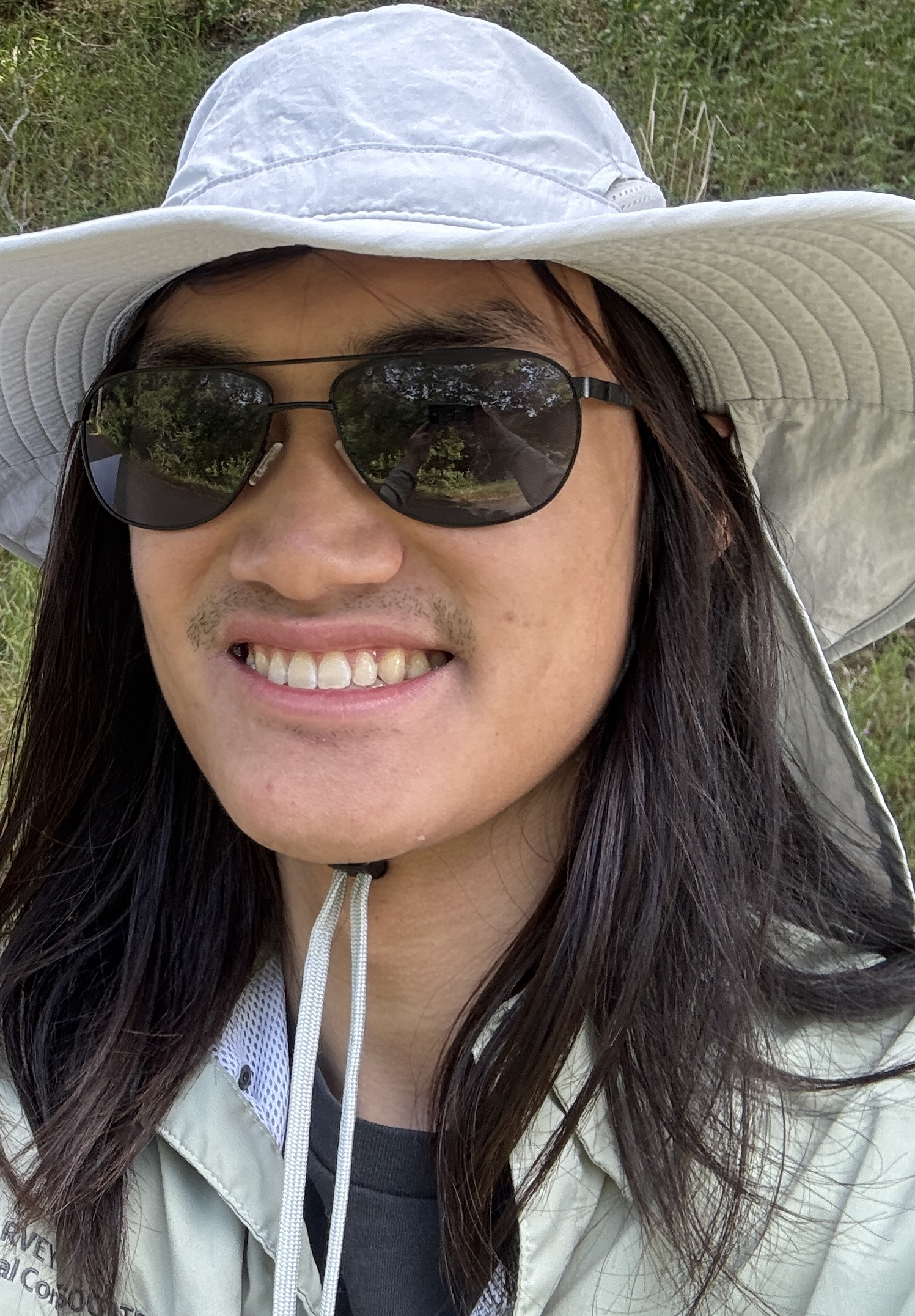
Nicholas Nguyen
San Jose State University
My name is Nicholas Nguyen. I am a senior at SJSU and my major is Marine Biology. I’ve been an undergrad at the deVries lab for a few years, and have taken a few internships during the summers. I have interned at HT Harvey and did a summer program at UC Berkeley called IB SURE. Under the deVries lab, I have helped with many projects involving sea urchin ecology and morphology.
Once I graduate, I hope to pursue research opportunities studying the ocean floor and deep sea. I have always been fascinated by the ocean, and my curiosity about what’s in the ocean has always driven me forwards. Marine invertebrates are of a particular interest to me. I look forward to finally being able to explore my local kelp forests firsthand and continue to contribute to the ongoing research I have worked on by bringing in urchins. The support from AAUS will be invaluable to my future as the first step towards getting certified for scientific diving. The funding will be used to pay for the open water certification lessons and gear.
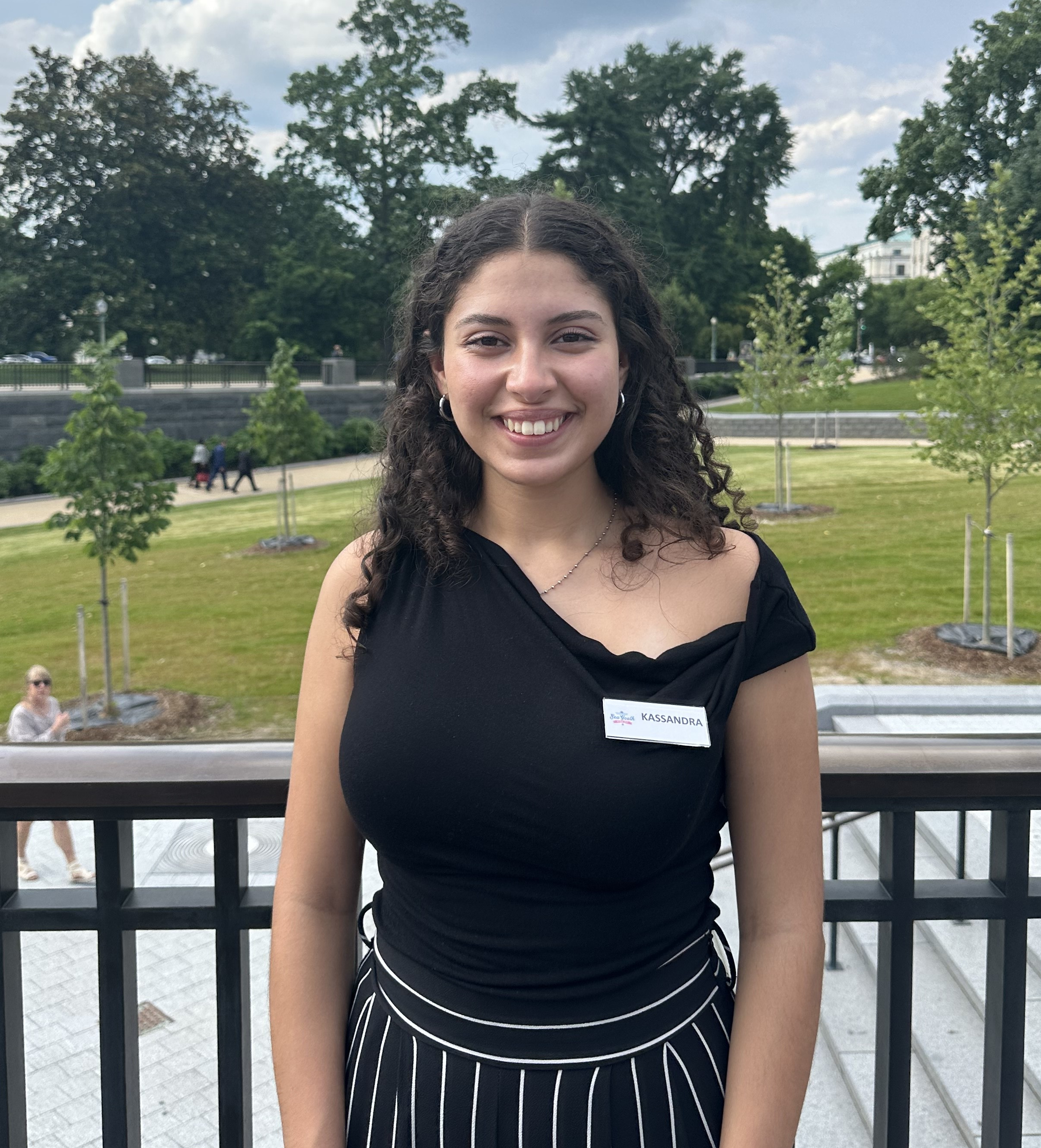
Kassandra Sevila
Florida State University
I am a sophomore at Florida State University (FSU) double majoring in psychology and environmental science, conducting research under the mentorship of Dr. Sarah Lester, a faculty member in the Department of Biological Science. I am working on an independent research project focused on assessing patterns of juvenile corals in Bonaire, an island in the southern Caribbean. I participated in FSU’s Undergraduate Research Opportunity Program (UROP) last year with Dr. Lester, and analyzed photos of the Bonaire’s coral reef to identify differences in health between coral species and sites using a program called TagLab. This experience inspired me to continue working in the Lester Lab and to develop my own research project. I plan to earn my scuba certification and work toward becoming a scientific diver, so that I can directly explore my study system and take part in fieldwork for my project.
I grew up in Miami and spent a lot of time in the water, which inspired my love for the ocean and its animals. In high school, I joined the Building Young Leaders program and was able to make a difference in my community by removing invasive species in the Everglades, monitoring water quality, and lobbying local businesses to stop using single-use plastics. This experience opened my eyes to the urgent need for conservation and inspired me to take action to protect the ocean.
I also became an intern for the nonprofit Clean Miami Beach and was selected as a delegate to attend the 2024 Capitol Hill Ocean Week as part of the Sea Youth Rise Up program. I joined delegates from other environmental nonprofits to advocate for ocean rights and sustainable policies in Washington D.C., which helped me learn about the many career paths in marine science and solidified my decision to pursue a degree in Environmental Science at FSU.
With the support of the Foundational Instruction for New Scuba Scientists Scholarship from the AAUS Foundation, I will complete my open water Scuba certification this fall. This certification will prepare me to take the FSU scientific diving course this spring so that I can conduct fieldwork in Bonaire next summer for my research project.